Numb toes, burning soles, tingling calves, or legs that feel heavy and unsteady? This guide explains what actually helps neuropathy in the legs and feet — the drug-free therapies that restore nerve function, the medications that only mask symptoms, the daily habits that slow progression, and how specialists in Sarasota identify your root cause.
Treatment for neuropathy in the legs and feet works best as a personalized, root-cause combination program — not a single pill. Because nerve damage in the feet and legs is almost always driven by an underlying cause (high blood sugar, poor circulation, vitamin deficiencies, medication toxicity, or nerve compression), effective care first identifies why the nerves are damaged, then repairs them with multiple non-invasive therapies at once: nerve stimulation / regeneration therapy, circulation enhancement, Class 4 laser therapy, nutritional and metabolic correction, and balance & gait rehabilitation. Medication can ease the burning, but it does not restore sensation or protect your feet from injury.
Neuropathy in the legs and feet is the most common form of peripheral neuropathy, and it rarely stays the same. It usually begins in the toes as mild numbness or a "walking on cotton" feeling, then creeps upward through the soles, ankles, and calves — eventually affecting balance, sleep, and the ability to feel injuries or heat.
The good news: nerve tissue can recover when the right conditions are created. In this article, our Sarasota neuropathy specialists explain where leg and foot neuropathy comes from, which treatments have the strongest track record, how they compare to gabapentin and other symptom-masking drugs, and what you can do at home starting today.
If you want the broader landscape of options first, read the best neuropathy treatments or check what Medicare covers before you commit to any program.
Symptoms almost always start at the farthest nerve endings — the toes and soles — and move upward. Early treatment is the single biggest factor in how much sensation you get back.
A burning sensation in the soles and toes — often worst at night — that improves when feet are uncovered or on cool flooring.
You can't feel the floor clearly, can't sense temperature, or don't notice blisters, cuts, or sores on your feet.
Electric-shock zaps, crawling sensations, or tingling that spreads from the toes up into the ankles and calves.
Legs that feel weighted or "wooden," night cramps in the calves, and pain that worsens after walking or standing.
Difficulty walking in the dark, tripping on rugs, or feeling unsteady because your feet no longer tell your brain where they are.
Nerve pain that spikes at night, kicking or restless legs, and waking repeatedly because the sheets feel like sandpaper.
Seek care promptly if you have a foot wound that isn't healing, new redness or swelling, sudden weakness or foot drop, or if numbness is spreading quickly. Loss of sensation plus diabetes raises the risk of serious foot ulcers — which is exactly why restoring nerve function matters. Learn more about the warning signs and 4 stages of peripheral neuropathy.
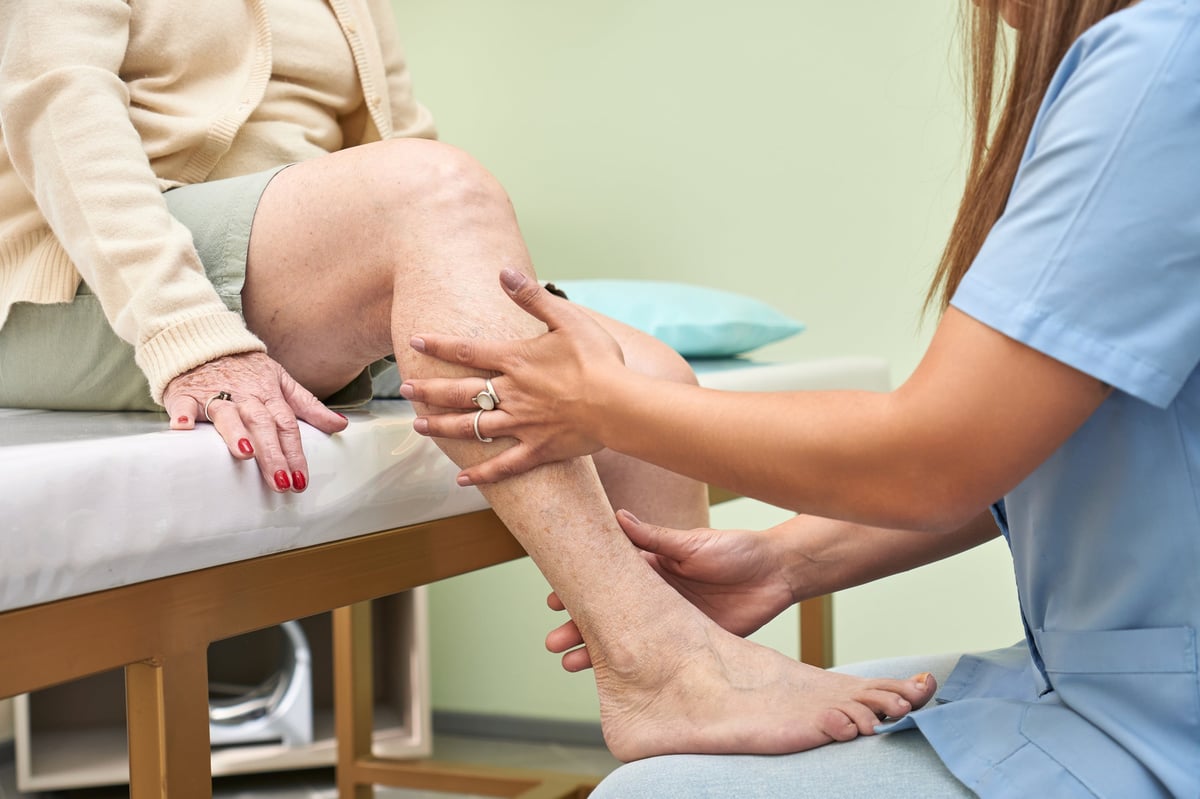
Testing identifies why your nerves are damaged before treatment begins.
Two patients can describe identical burning feet and have completely different reasons for it. Treating the wrong cause is the #1 reason people don't improve. These are the drivers we evaluate first:
Elevated glucose damages the small blood vessels feeding nerves — the leading cause of neuropathy in the feet.
Narrowed arteries in the legs starve nerves of oxygen and nutrients, causing aching, cold feet, and cramping.
Low vitamin B12, B1, B6, vitamin D, and low magnesium or thyroid problems are common, correctable causes.
Certain chemotherapy drugs, statins, and long-term nerve pain medications can contribute to nerve damage.
Pinched nerves from the lower back or trapped nerves at the knee, ankle, or foot mimic and worsen neuropathy.
Heavy alcohol use, kidney impairment, and exposure to toxins are also well-documented contributors.
Effective programs stack several therapies so they address circulation, nerve signaling, and metabolism at the same time. Each of the following is non-invasive — no surgery, no downtime.
Targeted electrical and light-based stimulation to the affected nerves in the feet and legs helps re-awaken dormant nerve fibers, calm abnormal pain signals, and improve the way your brain registers sensation.
Nerves cannot heal without blood flow. Improving microcirculation in the lower legs and feet delivers oxygen and nutrients to damaged nerve tissue and supports removal of metabolic waste.
High-power laser energy penetrates deep into the tissue of the feet and calves to reduce inflammation and stimulate cellular repair — a comfortable, drug-free way to ease nerve pain.
Lab-guided correction of the vitamin and mineral deficiencies that starve nerves — B12, B1, B6, D, magnesium and more — so the tissue has the raw materials it needs to rebuild.
For diabetic and pre-diabetic neuropathy, stabilizing blood sugar is non-negotiable — otherwise nerve damage continues even with great therapy. We build the metabolic plan around your labs.
When feet stop reporting position to the brain, falls become a real risk. Targeted balance training retrains your legs and core to keep you steady on uneven ground and in the dark.
Gentle soft-tissue and joint work through the ankles, calves, and feet releases restrictions that compress nerves and improves mobility so every other therapy works better.
Many patients arrive on gabapentin, pregabalin, or duloxetine. As nerve function improves, we coordinate careful, medically supervised reduction — never stop these abruptly.
Every program starts with an evaluation that identifies your type and root cause of neuropathy — so you only pay for therapy that can actually help you.
Medications can make the burning bearable — but they don't repair the nerve or restore sensation. Here's the honest comparison.
| What Matters | Medication Only | Root-Cause Combination |
|---|---|---|
| Goal | Mask pain signals | Restore nerve function & sensation |
| Addresses the cause | No | Yes — labs, circulation, metabolic & structural |
| Numbness in the feet | Usually unchanged or worsened over time | Often improves with treatment |
| Side effects | Drowsiness, dizziness, weight gain, dependency, brain fog | Non-invasive; most patients find sessions comfortable |
| Fall risk & balance | Not addressed | Directly trained and measured |
| Progress measurement | Subjective — "how do you feel?" | Objective sensation, strength & balance testing |
| Long-term outlook | Often long-term, dose-escalating use | Aims to reduce reliance on medication |
We're not anti-medication. Nerve pain drugs can be a useful bridge while other therapies take effect. But they should be part of a plan — not the entire plan. See the worst neuropathy medications & why.
Circulation, sensation, metabolism, and balance each need their own intervention. Programs that combine them consistently outperform any single device or pill. Compare all options in our treatment guide.
In-clinic treatment rebuilds nerve function. What you do between visits decides whether it sticks.
If you're diabetic or pre-diabetic, stabilizing glucose is the single most protective thing you can do for your nerves.
Check the tops, soles, and between toes with a mirror. Numbness means small injuries go unnoticed until they're serious.
Wide toe boxes, seamless interiors, and supportive soles. Never walk barefoot — even indoors.
Walking and light resistance work improve circulation and balance. Aim for consistent, comfortable movement — not heroic sessions.
Alcohol is directly toxic to peripheral nerves, and smoking constricts the small vessels your nerves depend on.
Prioritize protein, leafy greens, berries, and B-vitamin–rich foods. Reduce ultra-processed sugar that drives nerve inflammation.
Avoid heat danger: with reduced sensation, hot water bottles, heating pads, and bare feet on hot pavement can burn you without warning. Test bathwater with your elbow — not your feet — and check shoes for pebbles before putting them on.
No two neuropathy cases get the same protocol. But the path from first visit to measurable results follows the same four steps.
A detailed history, sensation and reflex testing, circulation assessment, and labs to identify your neuropathy type and root cause.
You receive a written plan naming the specific therapies, how often you'll attend, and what improvement is expected by when.
Non-invasive sessions combining nerve stimulation, circulation work, and laser therapy — most patients describe them as comfortable or relaxing.
We re-measure sensation and balance at intervals so progress is objective — not a guess — and adjust the plan as your nerves respond.
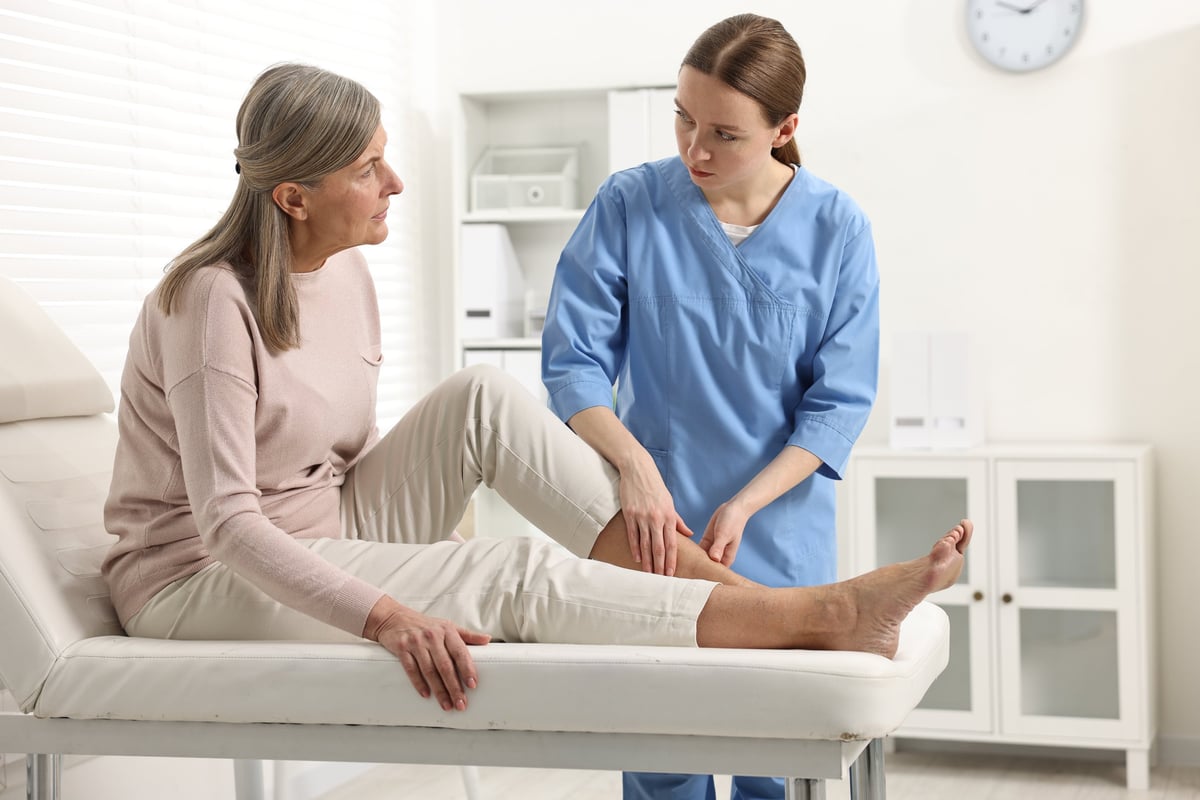
Many patients notice early change in 2–4 weeks, with fuller recovery over 8–12 weeks.
Individual results vary — but these are the changes patients tell us matter most.
"I could not feel my feet on the floor and the burning kept me awake. After the program I can feel my toes again and I'm sleeping through the night."
"My legs felt heavy and I was tripping constantly. The balance work plus the therapy gave me confidence to walk the beach again with my grandkids."
"I'd been on gabapentin for years. The team found a B12 deficiency and built a real plan. I'm down to a fraction of my dose and the zaps are gone."
Our clinic on Bee Ridge Road serves patients traveling from across the Gulf Coast for drug-free, root-cause neuropathy treatment. If driving from out of town, ask about scheduling multiple therapies in a single visit to reduce trips.
We identify why your nerves are damaged before recommending therapy.
No surgery, no injections, no downtime — most sessions feel relaxing.
Sensation, strength, and balance are re-tested instead of guessed.
We walk you through what's covered before you start.
Still have questions about your legs or feet?
Call (941) 803-1099The sooner neuropathy in your legs and feet is evaluated, the more nerve function is available to recover. Meet with a board-certified specialist, find out your root cause, and get a clear plan — at no cost.
Advanced, non-invasive treatment for diabetes and neuropathy, serving Sarasota, Bradenton, Venice, North Port, Lakewood Ranch, Palmetto, Ellenton, Parrish & the surrounding Southwest Florida communities.
Mon – Fri: 9:00 AM – 6:00 PM
Sat – Sun: Closed
© 2024 Sarasota Diabetes & Neuropathy Center. All rights reserved.